Bus Seats
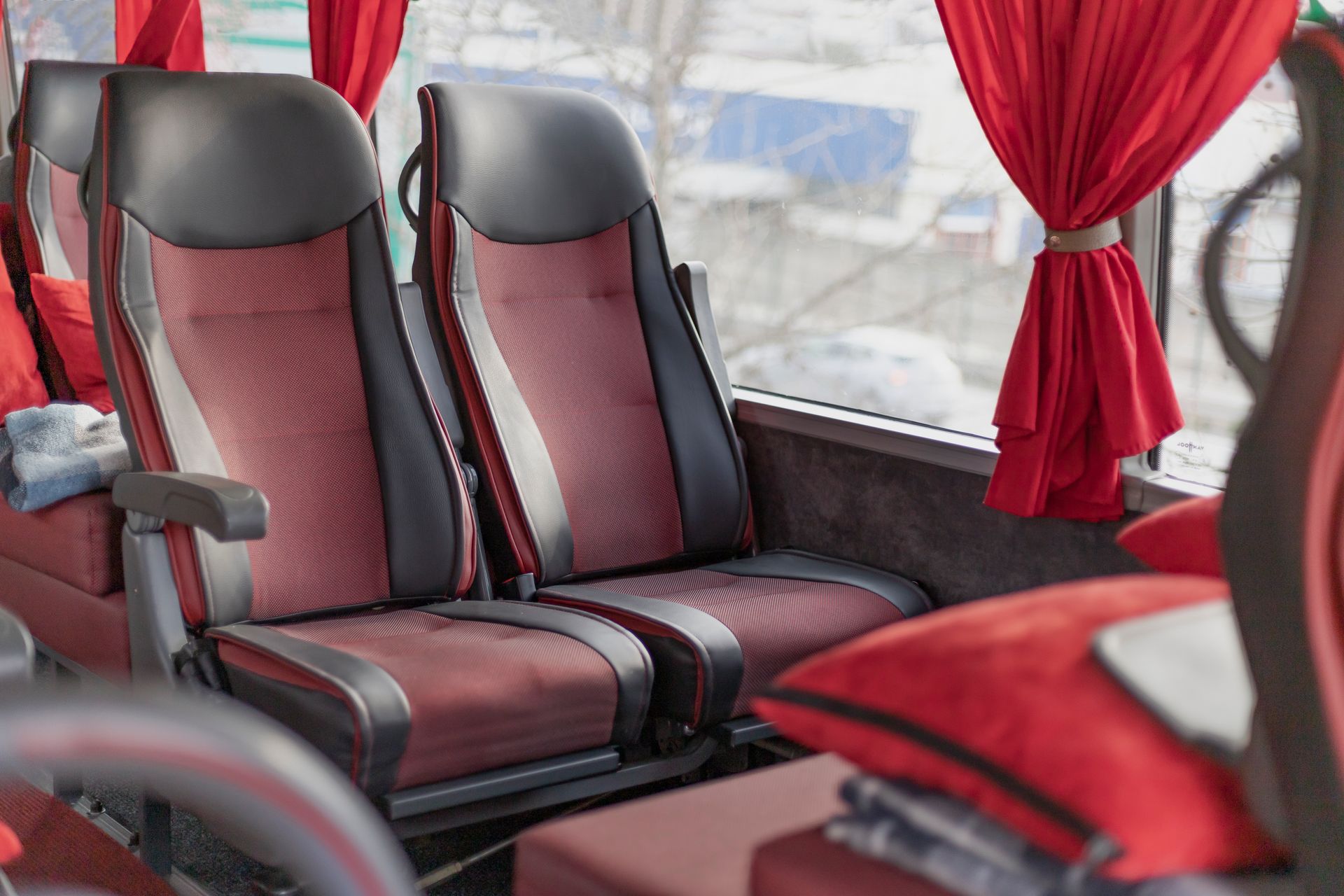
Bus Seats in Yokuts Valley
Durable Seating Built for Daily Passenger Use
Bus seats face constant boarding, exiting, and daily wear from passengers of all ages, which breaks down standard materials far faster than most seating applications. Bitchin Stitchin Upholstery repairs and reupholsters bus seats for operators throughout Yokuts Valley who need seating that holds up to heavy daily use while staying presentable for riders.
Because buses often run multiple routes per day with limited downtime, bus seats need to be built from materials that resist tearing, staining, and compression without requiring frequent replacement. Reinforced stitching and commercial-grade vinyl help extend the service life of bus seating significantly compared to standard upholstery.
Schedule a bus seat repair consultation with Bitchin Stitchin Upholstery
today.

Dirt Bike Seats
Dirt bike seats take a beating from mud, moisture, and constant impact, requiring materials that resist tearing and water absorption. Bitchin Stitchin Upholstery rebuilds seat covers and foam to hold up through aggressive off-road use.
Motorcycle Seats
Motorcycle seats are rebuilt or repaired with a focus on comfort during long rides and durability against outdoor exposure. Foam density, stitching patterns, and materials are all tailored to how the bike is actually ridden.
Why Bus Seats Wear Out Faster Than Other Seating
The sheer volume of daily use is the primary reason bus seats deteriorate faster than seating in personal vehicles or even most commercial applications. Multiple boarding cycles per hour, combined with passengers carrying bags, backpacks, and other items, puts consistent stress on seams and high-contact areas.
School bus seats and public transit bus seats each face slightly different wear patterns, with school routes often seeing more aggressive use and public transit seeing higher overall passenger volume throughout the day. Bitchin Stitchin Upholstery accounts for these differences when recommending materials for each type of bus seat project.
Common Wear Areas on Bus Seats
- Seat edges from repeated boarding and exiting
- Armrests and grab points from frequent contact
- Seams along the seat back from passenger movement
- Cushion tops from constant compression
Materials Used for Bus Seat Repairs
Commercial-grade vinyl is the standard choice for bus seat repairs because it resists abrasion, staining, and cracking far better than residential-grade materials. This durability matters most on high-frequency routes where seats see near-continuous use throughout the day.
Fire safety compliance is also a consideration for many bus seat projects, particularly for public transit and school bus fleets that must meet specific regulatory standards. Bitchin Stitchin Upholstery sources materials that satisfy these requirements while maintaining durability and appearance.
Key Material Considerations for Bus Seats
- Commercial-grade vinyl rated for high-frequency use
- Fire-retardant materials for regulatory compliance
- Reinforced thread for high-stress seam areas
- Stain-resistant surfaces for easy daily cleaning
Contact Bitchin Stitchin Upholstery for bus seat repairs or fleet reupholstery.
Repair Versus Fleet-Wide Reupholstery for Bus Seats
Individual bus seats with isolated tears or worn armrests can often be repaired without reupholstering the entire vehicle's seating, which keeps costs manageable for operators managing multiple buses. This targeted approach works well when damage is limited to specific seats rather than spread throughout the fleet.
Fleet-wide reupholstery becomes the more practical choice when wear is widespread across most seats or when updating to new safety-compliant materials across an entire fleet. Bitchin Stitchin Upholstery helps operators evaluate the most cost-effective approach based on the condition of their bus seats.
Factors That Determine Repair or Fleet Reupholstery
- Number of seats showing significant wear
- Age of the current seating materials
- Regulatory requirements for updated materials
- Budget and fleet maintenance schedule
Scheduling Bus Seat Work Around Route Demands
Operators need bus seat repairs completed quickly to minimize the number of vehicles out of service at any given time. Bitchin Stitchin Upholstery works with fleet schedules to complete bus seat projects in phases, prioritizing the most heavily used routes first when needed.
This phased approach allows operators to maintain service levels while gradually upgrading seating across the entire fleet, rather than pulling multiple buses out of rotation simultaneously.
Reach out to Bitchin Stitchin Upholstery
to schedule bus seat work around your route demands.
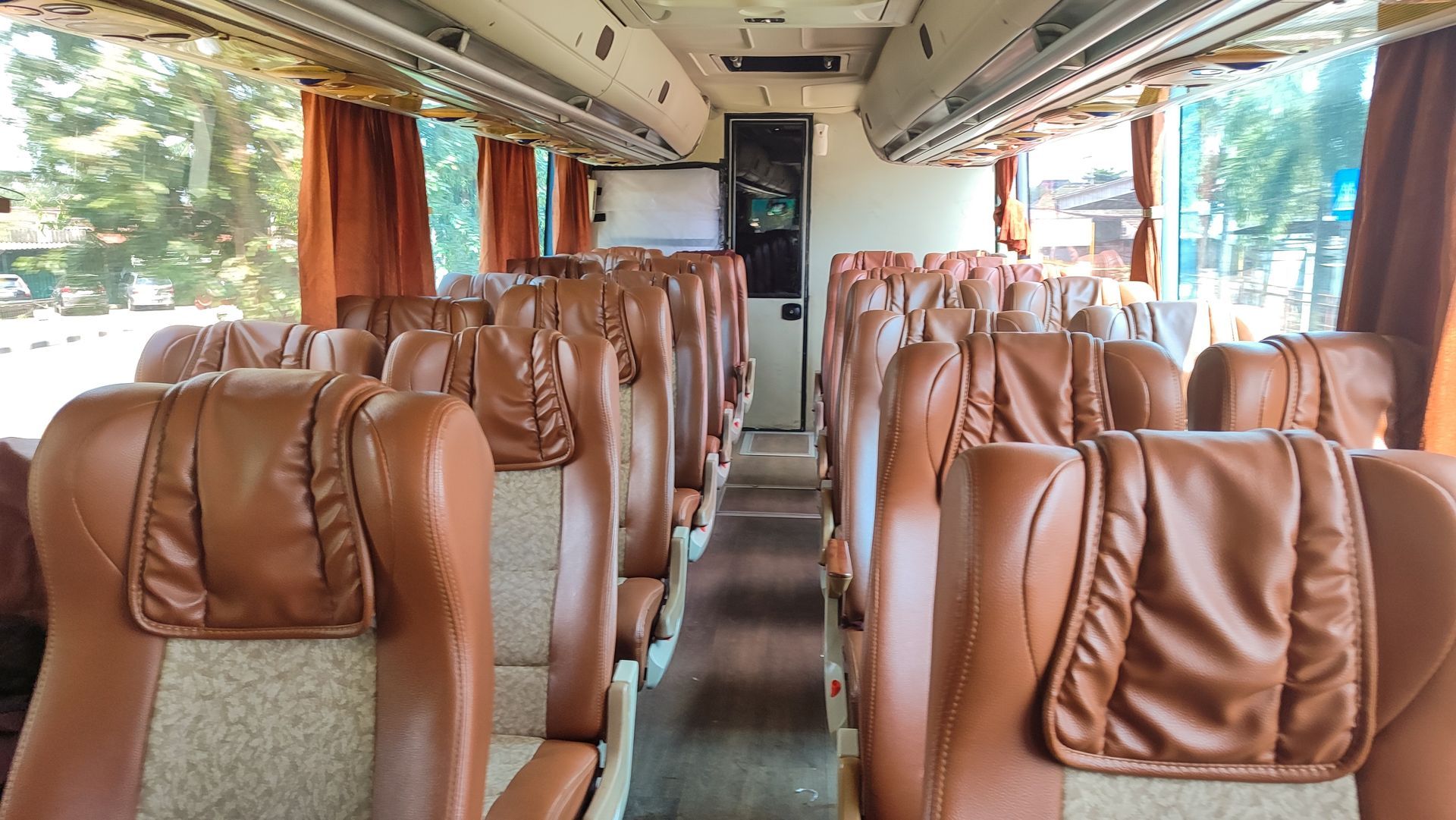
Frequently Asked Questions About Bus Seats
How long does it take to repair a bus seat?
Most individual bus seat repairs are completed within one to two days, while fleet-wide projects are scheduled in phases based on route needs.
What material is best for bus seat repairs?
Commercial-grade vinyl is the standard choice due to its resistance to abrasion, staining, and daily wear from heavy passenger use.
Do bus seats need fire-retardant materials?
Yes, many public transit and school bus fleets are required to use fire-retardant materials that meet specific regulatory standards.
Can a single torn bus seat be repaired without redoing the whole bus?
Yes, isolated damage on individual seats can typically be repaired without reupholstering every seat in the vehicle.
How much does bus seat reupholstery cost for a full fleet?
Cost depends on the number of buses, seat count per vehicle, and material specifications required for compliance and durability.
Why do school bus seats wear out faster than other seating?
School bus seats often see more aggressive daily use and higher passenger turnover, accelerating wear compared to standard seating.
Can bus seat repairs be scheduled without taking vehicles out of service for long periods?
Yes, repairs and reupholstery projects can be scheduled in phases to minimize vehicle downtime and maintain route coverage.
What causes armrests on bus seats to wear out first?
Armrests receive constant contact from passengers boarding, exiting, and bracing during the ride, making them a common early wear point.
How often should bus seats be reupholstered?
High-frequency routes may require reupholstery every three to five years, while lower-use routes can extend that timeline further.
Are stain-resistant materials available for bus seats?
Yes, many commercial-grade vinyl options include stain-resistant treatments that simplify daily cleaning for maintenance crews.