Train Seats
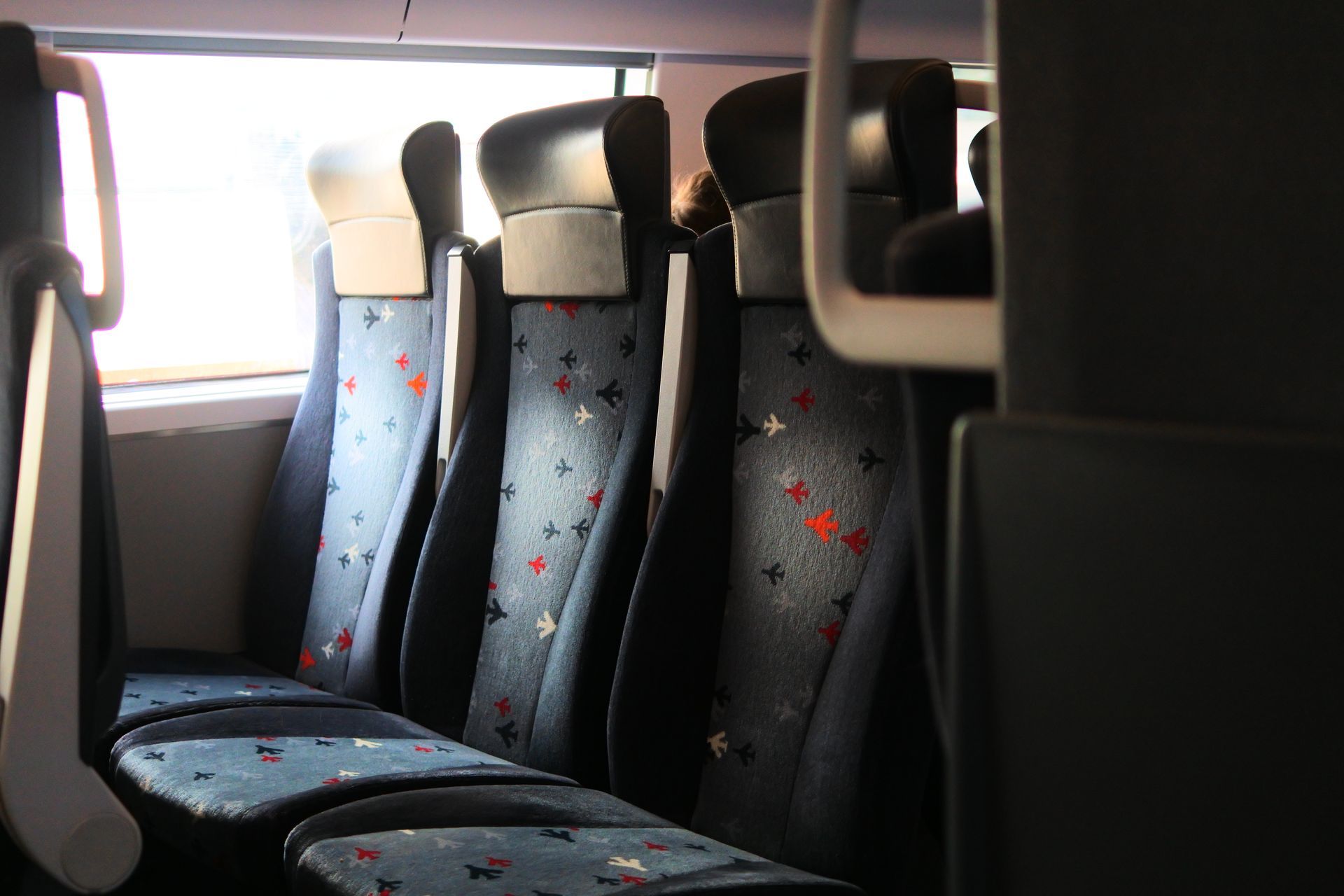
Train Seats in Yokuts Valley
Commercial-Grade Seating for High-Traffic Transit
Train seats face a level of daily wear that few other types of upholstery ever encounter, with constant boarding, exiting, and use from passengers of every size and habit. Bitchin Stitchin Upholstery reupholsters and repairs train seats for transit operators throughout Yokuts Valley who need seating that meets safety, durability, and appearance standards under heavy passenger loads.
Because train seats are in near-continuous use, factory materials often show wear far sooner than expected, particularly on high-traffic routes. Reupholstering train seats with commercial-grade materials extends service life significantly while keeping cars looking presentable for passengers and inspectors alike.
Schedule a train seat reupholstery consultation with Bitchin Stitchin Upholstery
today.

Dirt Bike Seats
Dirt bike seats take a beating from mud, moisture, and constant impact, requiring materials that resist tearing and water absorption. Bitchin Stitchin Upholstery rebuilds seat covers and foam to hold up through aggressive off-road use.
Motorcycle Seats
Motorcycle seats are rebuilt or repaired with a focus on comfort during long rides and durability against outdoor exposure. Foam density, stitching patterns, and materials are all tailored to how the bike is actually ridden.
Why Train Seats Require Commercial-Grade Materials
Standard upholstery materials aren't built to withstand the sheer volume of daily use that train seats experience on active transit lines. Fabric and vinyl rated for commercial and transit use are engineered specifically to resist abrasion, staining, and repeated compression far beyond what residential or automotive materials can handle.
Fire safety standards also play a significant role in material selection for train seats, since transit seating must meet specific flammability and toxicity ratings that don't apply to most other upholstery projects. Bitchin Stitchin Upholstery sources materials that meet these requirements while still delivering a durable, presentable finished product.
Key Requirements for Train Seat Materials
- Fire-retardant fabric or vinyl rated for transit use
- High abrasion resistance for heavy daily contact
- Stain and cleaning-agent resistance for maintenance crews
- Consistent color matching across multiple seating units
The Train Seat Reupholstery Process
Reupholstering train seats typically involves working within existing transit specifications, since seat dimensions, mounting hardware, and safety features must remain consistent with the original design. Bitchin Stitchin Upholstery reviews these specifications closely before beginning any train seat project to ensure compliance.
Foam is inspected and replaced as needed to restore proper support, followed by fitting new commercial-grade covers that match the required color and pattern specifications. Every train seat is finished with reinforced stitching designed to withstand thousands of boarding cycles without failure.
Steps in the Train Seat Reupholstery Process
- Reviewing transit seating specifications and requirements
- Inspecting and replacing foam as needed
- Fitting commercial-grade covers to exact measurements
- Reinforcing seams for high-frequency use
Contact Bitchin Stitchin Upholstery to discuss train seat reupholstery for your fleet.
Maintaining Consistency Across Multiple Train Seats
Transit operators often need dozens or hundreds of train seats reupholstered to a consistent standard, which requires careful material sourcing to ensure color and pattern matching across an entire fleet. Bitchin Stitchin Upholstery coordinates material orders to maintain this consistency across large-scale train seat projects.
Batch scheduling also matters for transit operators who need to minimize the number of cars taken out of service at once. Working through train seat reupholstery in planned phases helps keep operations running while upgrades are completed.
Repair Versus Full Reupholstery for Train Seats
Isolated damage on individual train seats, such as a single torn cushion or worn armrest, can often be repaired without reupholstering the entire seating unit. This targeted approach is more cost-effective for operators managing large fleets with only scattered damage.
Full reupholstery becomes necessary when wear is widespread across a car's seating or when updating to new fire-safety-compliant materials fleet-wide. Bitchin Stitchin Upholstery helps operators assess the scope of work needed before committing to a full project.
Reach out to Bitchin Stitchin Upholstery
for train seat repair or fleet-wide reupholstery.
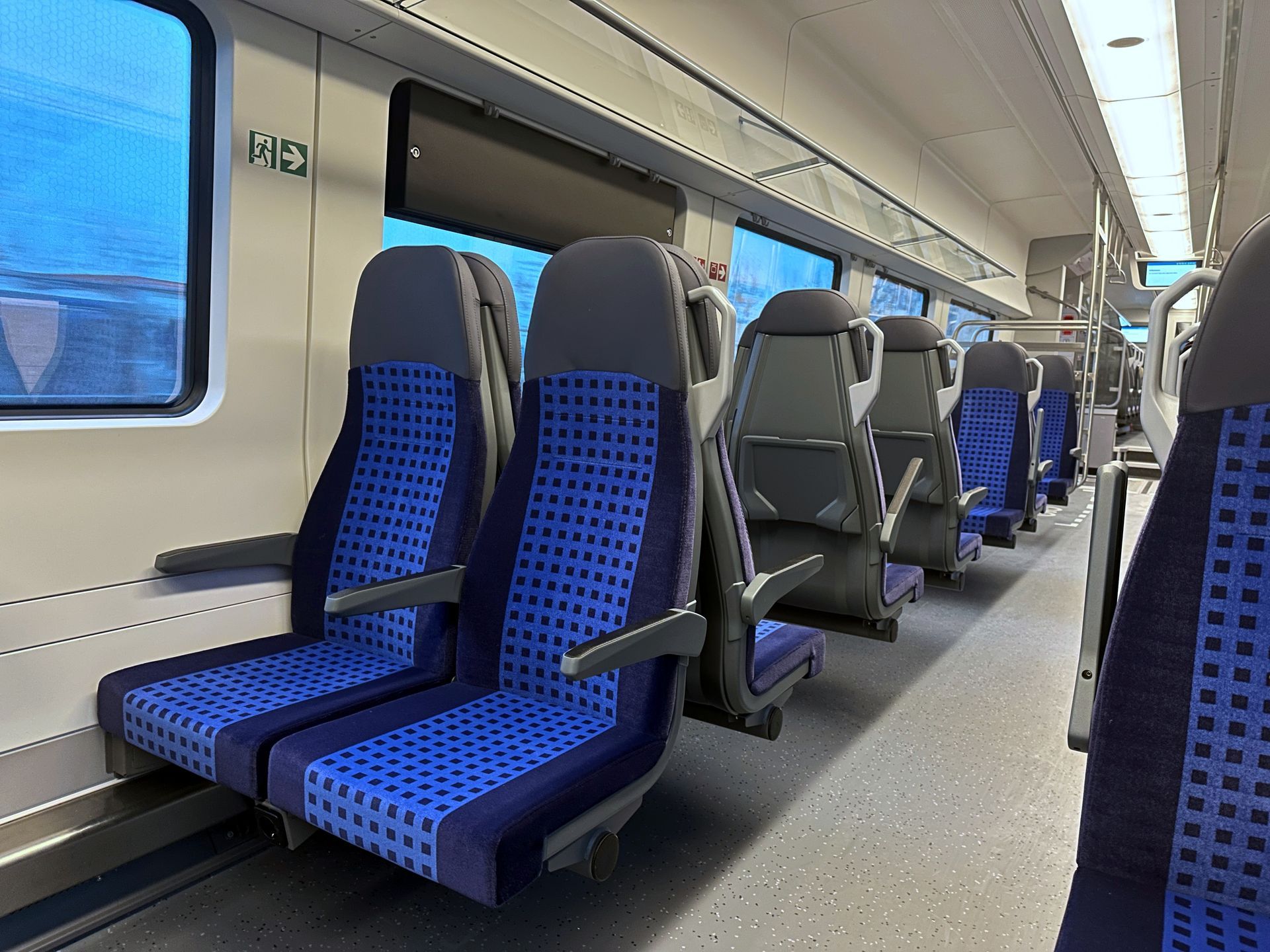
Frequently Asked Questions About Train Seats
What materials are required for train seat upholstery?
Train seats typically require fire-retardant fabric or vinyl that meets specific transit flammability and abrasion resistance standards.
How long does train seat reupholstery take?
Timelines vary based on fleet size, but individual seats are typically completed within a few days once materials are sourced and specifications confirmed.
Can train seats be repaired without full reupholstery?
Yes, isolated tears or worn sections can often be repaired individually without reupholstering the entire seat.
Why do train seats need fire-retardant materials?
Transit safety regulations require seating materials to meet specific flammability and toxicity standards not typically required for residential upholstery.
How is color consistency maintained across multiple train seats?
Material orders are coordinated in bulk to ensure consistent color and pattern matching across an entire fleet of seats.
What causes train seats to wear out faster than other upholstery?
Continuous daily use from high passenger volume causes train seats to experience significantly more wear than typical residential or automotive seating.
Can train seat foam be replaced during reupholstery?
Yes, foam is inspected and replaced as needed to restore proper support before new covers are installed.
How often should train seats be reupholstered?
High-traffic routes may require reupholstery every three to five years, while lower-traffic lines can extend that timeline.
Do train seat materials need to meet specific safety codes?
Yes, transit seating materials must comply with fire-retardant and toxicity standards specific to public transportation.
Can train seat reupholstery be done in phases to minimize downtime?
Yes, reupholstery projects can be scheduled in phases to keep the maximum number of cars in service throughout the project.