Tractor Seats
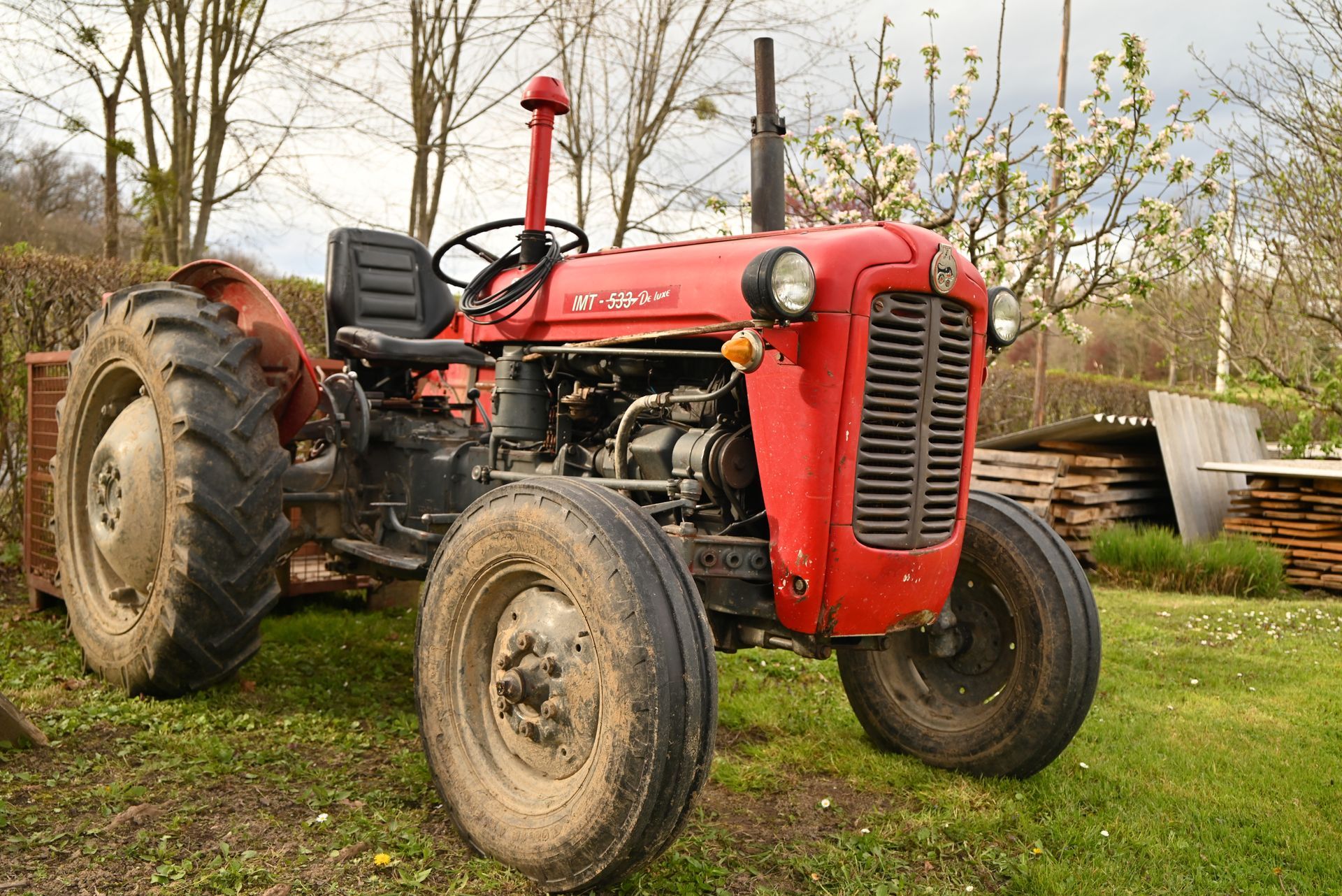
Tractor Seats in Yokuts Valley
Reliable Comfort for Long Days in the Field
Tractor seats spend more hours in continuous use than almost any other type of vehicle seating, often supporting operators through full workdays in direct sun and dusty field conditions. Bitchin Stitchin Upholstery rebuilds and repairs tractor seats for operations throughout Yokuts Valley that depend on reliable, comfortable seating to keep equipment running efficiently.
Factory tractor seats often break down faster than the equipment itself, since foam compresses under constant weight and vinyl cracks from years of outdoor exposure. Rebuilding tractor seats with durable materials addresses both issues directly, restoring comfort without requiring a full seat replacement from the manufacturer.
Schedule a tractor seat rebuild with Bitchin Stitchin Upholstery
today.

Dirt Bike Seats
Dirt bike seats take a beating from mud, moisture, and constant impact, requiring materials that resist tearing and water absorption. Bitchin Stitchin Upholstery rebuilds seat covers and foam to hold up through aggressive off-road use.
Motorcycle Seats
Motorcycle seats are rebuilt or repaired with a focus on comfort during long rides and durability against outdoor exposure. Foam density, stitching patterns, and materials are all tailored to how the bike is actually ridden.
Why Tractor Seats Break Down Over Time
Extended hours of use place constant pressure on tractor seat foam, gradually compressing it until it no longer provides adequate support for the operator's back and legs. This compression happens faster in older tractors where the foam was never designed for the equipment's current service life.
Sun and weather exposure compound the problem for tractor seats used in open-cab equipment or stored outdoors between seasons. Vinyl becomes brittle and prone to cracking, especially along seams where the material flexes most during regular use.
Common Signs a Tractor Seat Needs Rebuilding
- Foam that no longer springs back after use
- Cracked or peeling vinyl along seat seams
- Visible wear patterns from the operator's regular position
- Exposed foam or padding beneath torn vinyl
The Tractor Seat Rebuilding Process
Rebuilding a tractor seat begins with removing the worn cover to inspect the condition of the foam and underlying seat pan. This step often reveals whether the seat needs a simple cover replacement or a more involved foam rebuild to restore proper support.
New foam is shaped to match the original seat contour before a durable replacement cover is installed, with reinforced stitching applied to seams that experience the most flex during daily operation. This approach restores tractor seats to a comfort level closer to new without the cost of an OEM replacement.
Materials Used in Tractor Seat Rebuilds
- Heavy-duty vinyl built for extended outdoor exposure
- High-density foam designed for all-day support
- Reinforced thread for high-flex seam areas
- Water-resistant backing for open-cab equipment
Custom Tractor Seat Upgrades
Some operators request additional comfort upgrades during a tractor seat rebuild, including lumbar support inserts or thicker foam profiles for long planting and harvest seasons. These upgrades address the specific physical demands of extended time in the seat that factory designs don't always account for.
Color and material choices can also be adjusted for fleet consistency across multiple tractors, which is common for operations managing several pieces of equipment that need matching seating for a uniform appearance.
Contact Bitchin Stitchin Upholstery to upgrade your tractor seats.
Repair Versus Full Rebuild for Tractor Seats
Tractor seats with isolated tears or minor wear can often be repaired with a partial cover patch, which works well when the foam underneath is still providing adequate support. This option keeps costs lower for seats that aren't showing widespread deterioration.
A full rebuild becomes the better choice when foam has compressed throughout the seat or when cracking has spread across multiple panels. Bitchin Stitchin Upholstery evaluates each tractor seat individually to recommend the most practical option for the equipment's usage level.
Factors That Determine Repair or Rebuild
- Overall foam compression across the seat
- Extent of vinyl cracking or tearing
- Hours of annual equipment use
- Whether the seat pan itself needs repair
Reach out to Bitchin Stitchin Upholstery
for tractor seat repair in Yokuts Valley.
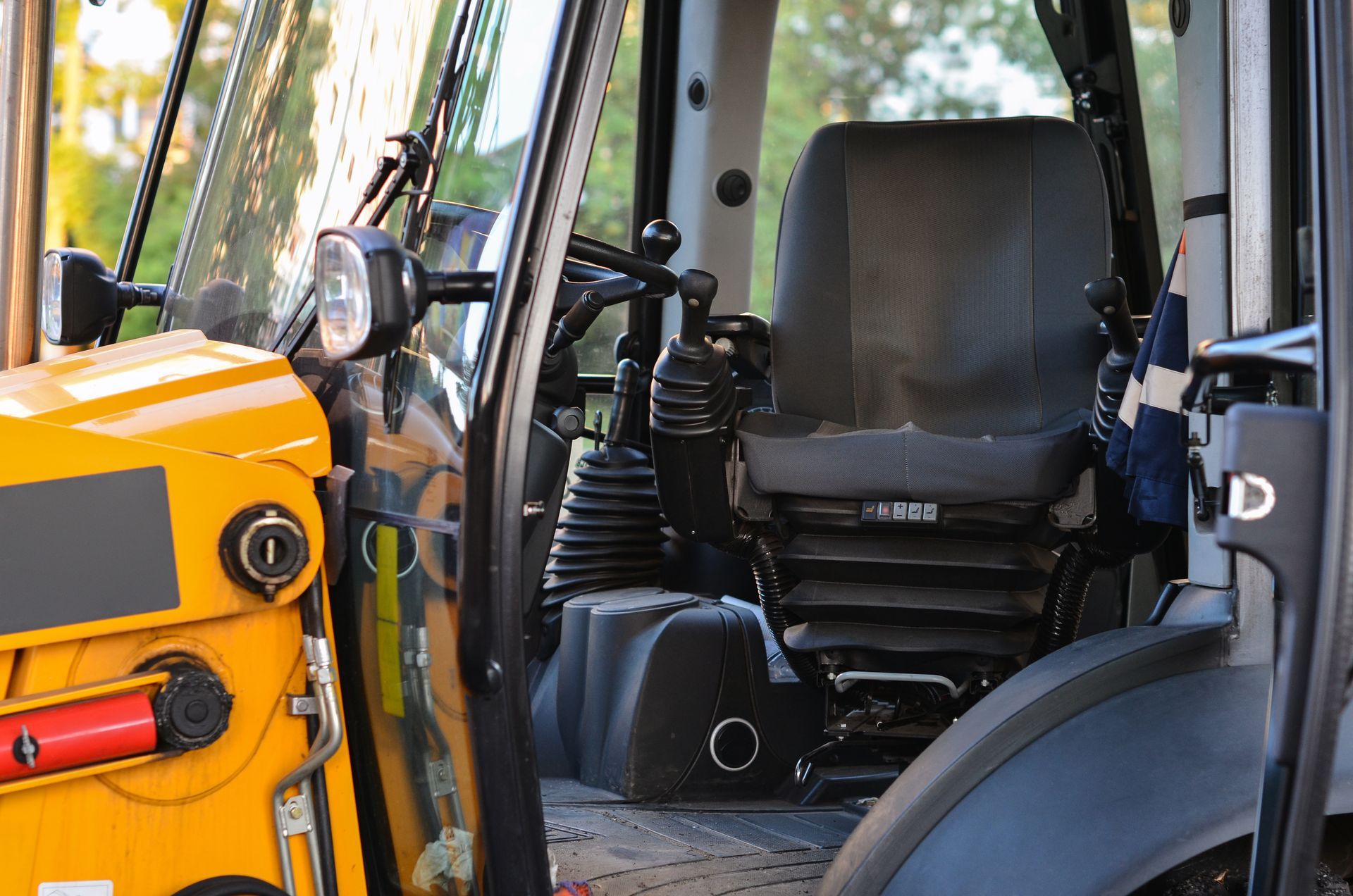
Frequently Asked Questions About Tractor Seats
How long does a tractor seat rebuild take?
Most tractor seat rebuilds take three to five days depending on foam replacement needs and whether custom comfort upgrades are included.
What foam is best for tractor seats used all day?
High-density foam is generally recommended for tractor seats used for extended daily periods, as it resists compression better than standard foam.
Can a tractor seat be repaired instead of fully rebuilt?
Yes, isolated tears or wear can often be patched or partially recovered if the foam underneath remains structurally sound.
How much does it cost to rebuild a tractor seat?
Cost depends on foam replacement needs, material choice, and whether additional comfort upgrades like lumbar support are added.
What causes tractor seat vinyl to crack?
Prolonged sun exposure combined with repeated flexing at seams causes vinyl on tractor seats to become brittle and crack over time.
Can tractor seats be upgraded with lumbar support?
Yes, lumbar inserts and thicker foam profiles can be added during a rebuild to improve comfort during long operating hours.
How often should tractor seat foam be replaced?
Foam typically needs replacement every five to seven years for tractors in regular daily use, though usage intensity affects this timeline.
Can multiple tractor seats be matched for a fleet?
Yes, color and material choices can be standardized across multiple tractors to maintain a consistent appearance for fleet equipment.
Is water-resistant material necessary for tractor seats?
Water-resistant vinyl and backing are recommended for open-cab tractors regularly exposed to rain, dew, or irrigation overspray.
What is the most common failure point on tractor seats?
Seams under constant flex, particularly at the seat base and backrest junction, are the most common failure points on tractor seats.